Get Involved With VEG
Home | Subscribe To Our Newsletter
 
 
NEWSLETTER 240
 
VIRTUAL EVENTS GROUP


Graduates, welcome to the real world … where social media follower counts are the new GPA. So says comedian Ronny Chieng, as he encourages Harvard students to kill AI and more.


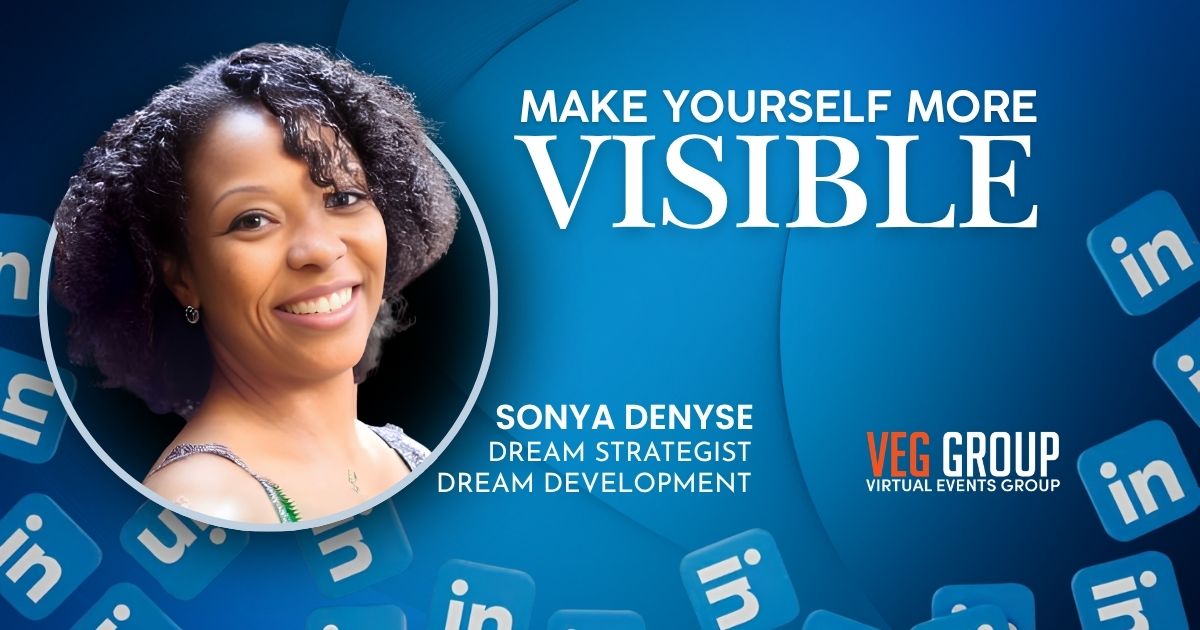
Make Yourself More Visible
 
At last week’s Virtual Events Group meetup, Sonya Denyse of Dream Development gave us a deep dive into how to make our LinkedIn profiles work harder on our behalf. She reminded us that LinkedIn is, at its core, a database as much as it is a social media platform. Your profile is constantly being mined for discovery. 
 

Tyler Priest-Heck, Virtual Events Group’s marketing assistant, summarized the session with these tips: 

  • Focus on the most important sections of your profile: photo, headline, connections, and the featured, about, and experience sections. There are simple steps you can take to elevate these sections. For example, the first three lines of an About section should include metrics, what you do or have done that garnered results, and a hook to make people want to continue reading. Instead of talking about the story, give quantifiable milestones. Sonya’s own About box says, “Some people specialize. I synthesize. $1M+ raised. 1,000+ dreams fulfilled." 

  • Don’t solely optimize for what job you want but also what jobs want to hear from you. 

  • Don’t be afraid to show personality, interests, and viewpoints. Showing more of who you are and what you’re thinking gives people the “why” to engage with you. 

  • Aim for two to three posts a week. It’s important to post routinely, but it’s also possible to overdo it. Too many posts a day can lead to oversaturation and a downturn of viewership or interest in your posts.

  • Make sure to comment in addition to posting. Comments are an important tool for engagement. Not only should you be commenting on others' posts, but respond to comments on your posts. A comment should be the beginning of a conversation! 

  • Invest in your optimization. Put time into optimizing your LinkedIn, even just a few hours a week, to continue your growth and engagement. Experiment with your profile language, monitor the engagement, and ideate over and over until you land on a working formula. 

Watch Sonya's VEG Group meetup on Visibility on our YouTube channel. 


Predictions About Prediction Markets
 

I can’t even predict which checkout line at the supermarket will be shortest. And I’m a loser at predicting who will win anything from the Oscars to the World Cup. Still, I’m fascinated by prediction market platforms for three main reasons. 

One: The barrier to entry is low. You can bet on any possibility and do it with your pocket change. 

Two: The prediction topics are so weirdly quirky and random. Linguists will have a field day. 

Three: You get to see the American psyche at work. It’s a snapshot of large groups of independent thinkers (the wisdom of the crowds) that can often beat the opinion of any individual expert. Or, perhaps the experts can routinely beat the odds?


How Prediction Markets Work
 
You’ll need to dust off your college math skills because prediction markets are really asking you to buy and sell probabilities. What is the likelihood that something will happen? That can include what a celebrity will wear to an event, where the next earthquake will hit, who will be a city’s next mayor or how many times Elon will tweet this week. 

Let’s say I join a group predicting whether Company X will launch a new AI model before September first.

  • If the market thinks there's a 60% chance, "Yes" shares might trade at $0.60.
  • "No" shares would trade at $0.40.

If I buy 100 "Yes" shares at $0.60, I spend $60.

If the model is released by the deadline:

  • Each share becomes worth $1.
  • I receive $100 (a $40 profit).

But if the release doesn't happen:

  • My shares are worthless and I lose my $60 investment.


Making it more fun, you don't have to hold until the outcome. You can change your mind as you see the odds changing and even call it quits when the odds swing in your favor. Kalshi lets you trade with dollars and debit cards. However, Polymarket lives on the blockchain, so transacting requires a crypto wallet such as MetaWallet, which complicates onboarding.


Prediction markets are thriving. Trading volume surpassing $24 billion in April 2026, up from about $1.8 billion a year prior, according to analysis from The Block. The NY Post profiled Joel Holsinger, a 26-year-old Brooklynite, who began trading on prediction markets, often focusing on predictions like whether a sports commentator would say “What a catch.”  He's been so successful it's now his full-time gig.


So here’s the thing, betting on events and behaviors is risky because someone always has insider information. And shady operators can really control these markets. Take the George Santos imbroglio. People on Kalshi were placing bets on whether he’d show up at a Trump State Dinner after he’d publicly stated that he’d received an invitation. Secretly, Santos bet tens of thousands of dollars against his own appearance. He cashed out by skipping the event. (He’s being investigating for this by the Department of Justice and the Commodity Futures Trading Commission.)


My prediction? Prediction markets will grow to be a powerful means towards a new passive income stream. Those who understand probability and public sentiment will have the advantage. And unlike the stock market, the price of entry is low. Like the creator economy that was born to eliminate media conglomerates as middlemen, prediction engines will thrive on the wisdom (or foolishness) of the crowds. And like crypto markets, it's another outlet for gamblers and betters. In an age where AIs will continue to lessen the demand for humans on the job, do you think that prediction markets will create new jobs? You can bet on it.


That said, like the stock market, the crypto market and the creator economy, it’s not the casual users that will ultimately make money. My research says that many professional traders and quantitative analysts treat this as another route to income. Some are subject-matter experts who have knowledge of a specific area: energy policy, sports, crypto, or elections. So don’t bother playing if you’re not committed to learning the game. 


Academics talk about prediction markets often outperforming polls and expert forecasts, assuming that there’s a large pool of participants. And so, another job is born — analyzing predication markets for trends.


And always late to the party, regulators are just waking up to grapple with what sort of protections prediction markets will require. Insider information does not necessarily rig the market. It may bring it closer to the truth, but insiders who deviously manipulate the market (here’s looking at you, Santos) will need to be reckoned with. 


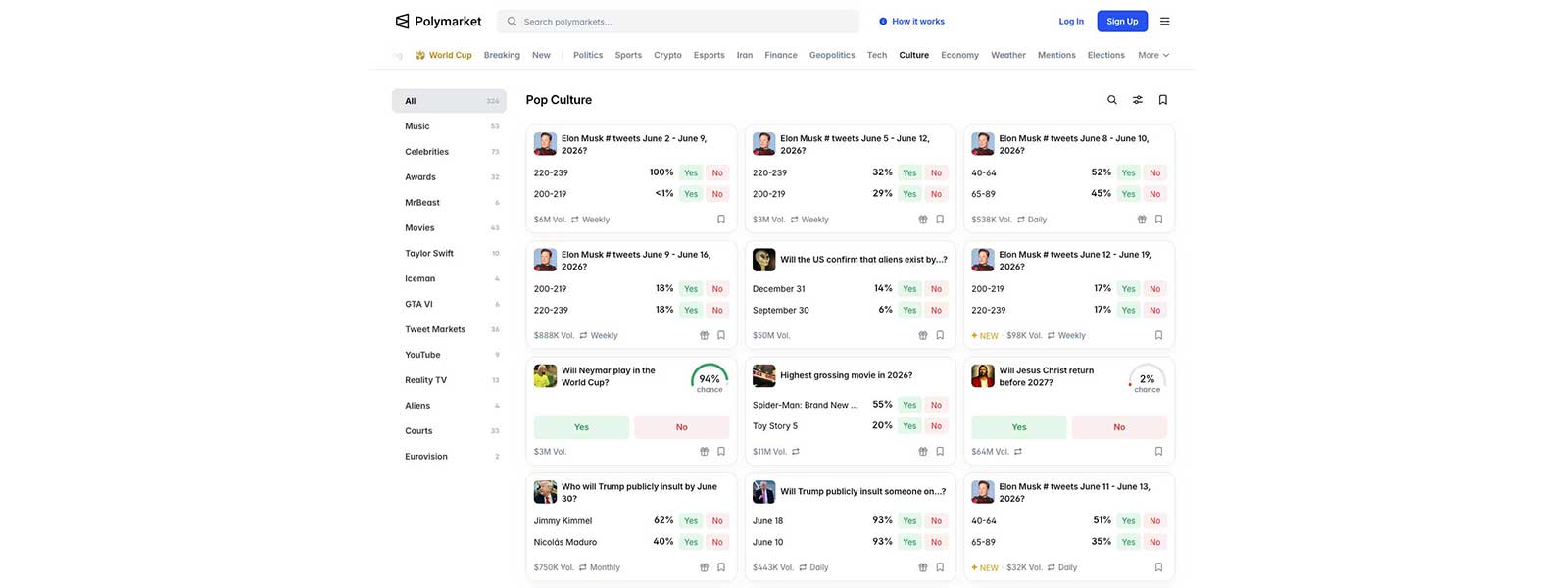
A favorite place to bet on Polymarket is the Culture tab, where how many tweets Elon will place a week or who will Trump denounce next are popular.
 
 
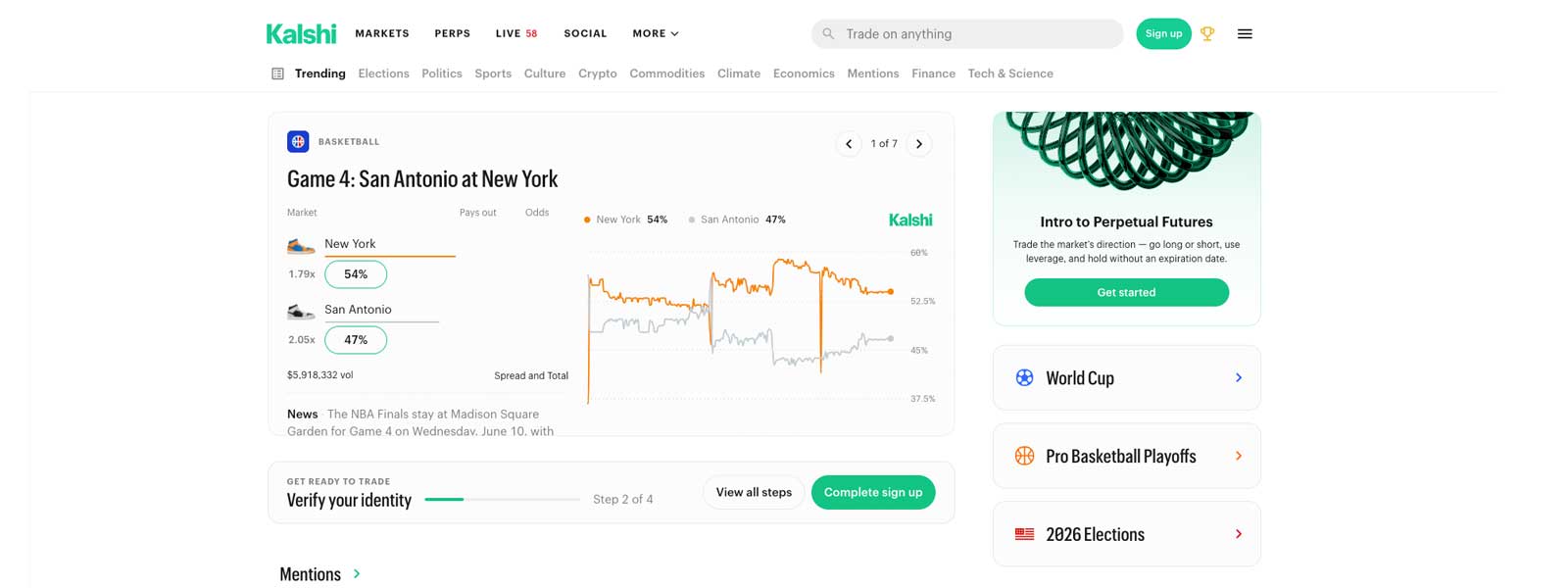
Sports predictions are quite popular on Kalshi.
 
 
Scuttlebutt


Babes in Booths 
No, not booth babes, but a number of conferences and events are opening their doors to real babies, typically under the age of 1, to attend with their parents. IMEX and WebSummit both allow babies. OTOH, Marilia Bognandi took to LinkedIn to complain when she and her nursing baby were not allowed into AWS’s Summit Stockholm. 


On the plus side, allowing babies keeps young parents connected and in the work force. The downside? The potential for distraction and ultimately some blowback from parents of older kids who’ll want to make it a family affair. Should conferences be family events? 


Books We Love
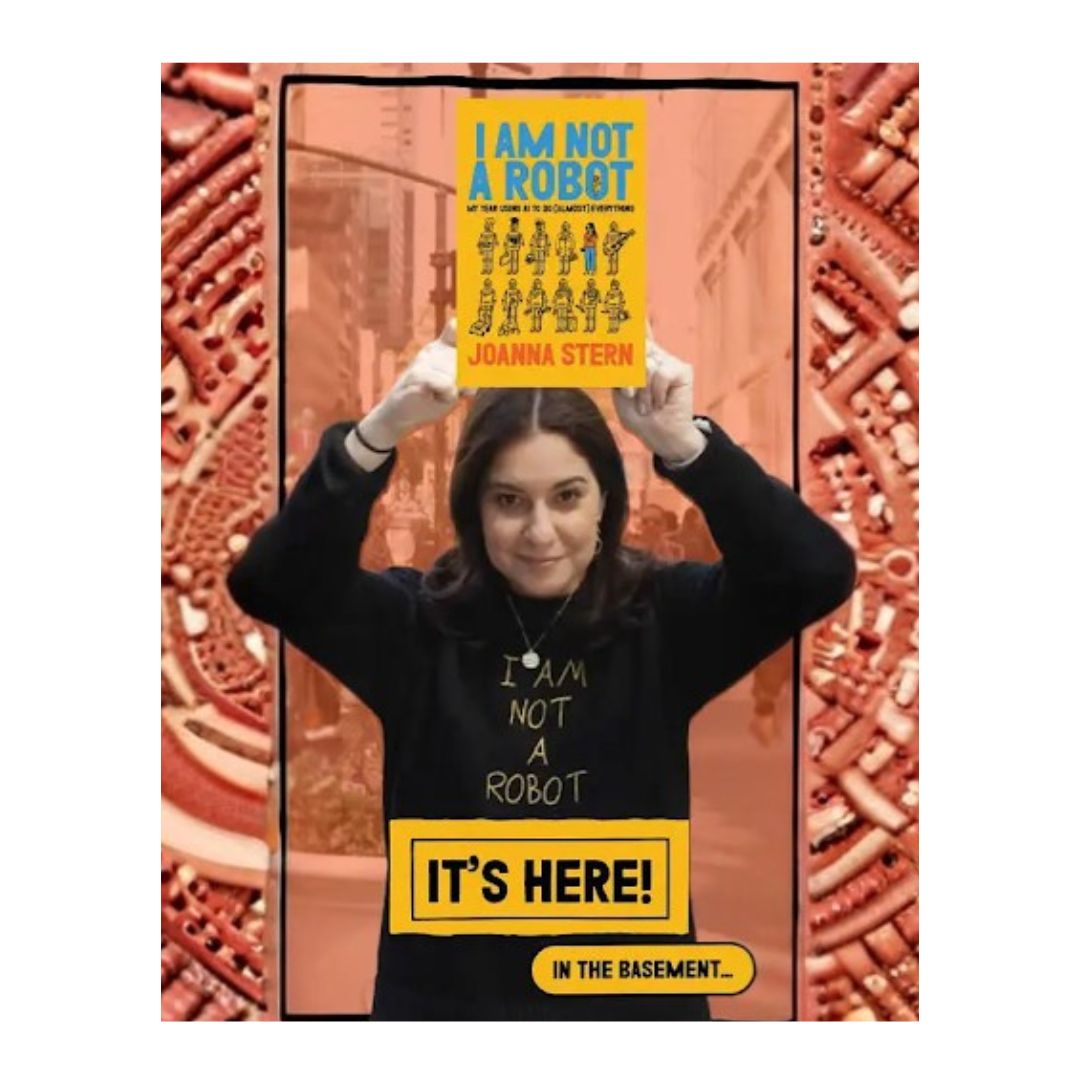
Joanna Stern is a colleague from our Ziff Davis days, who became a rock star at the WSJ, and who recently launched her own media company. Her new book, I Am Not A Robot, is a lively romp of what it’s like to live with robots as your doctor, dentist, housekeeper and even boyfriend. Joanna humorously reminds us that every new technology eats a bit into our capabilities as humans.


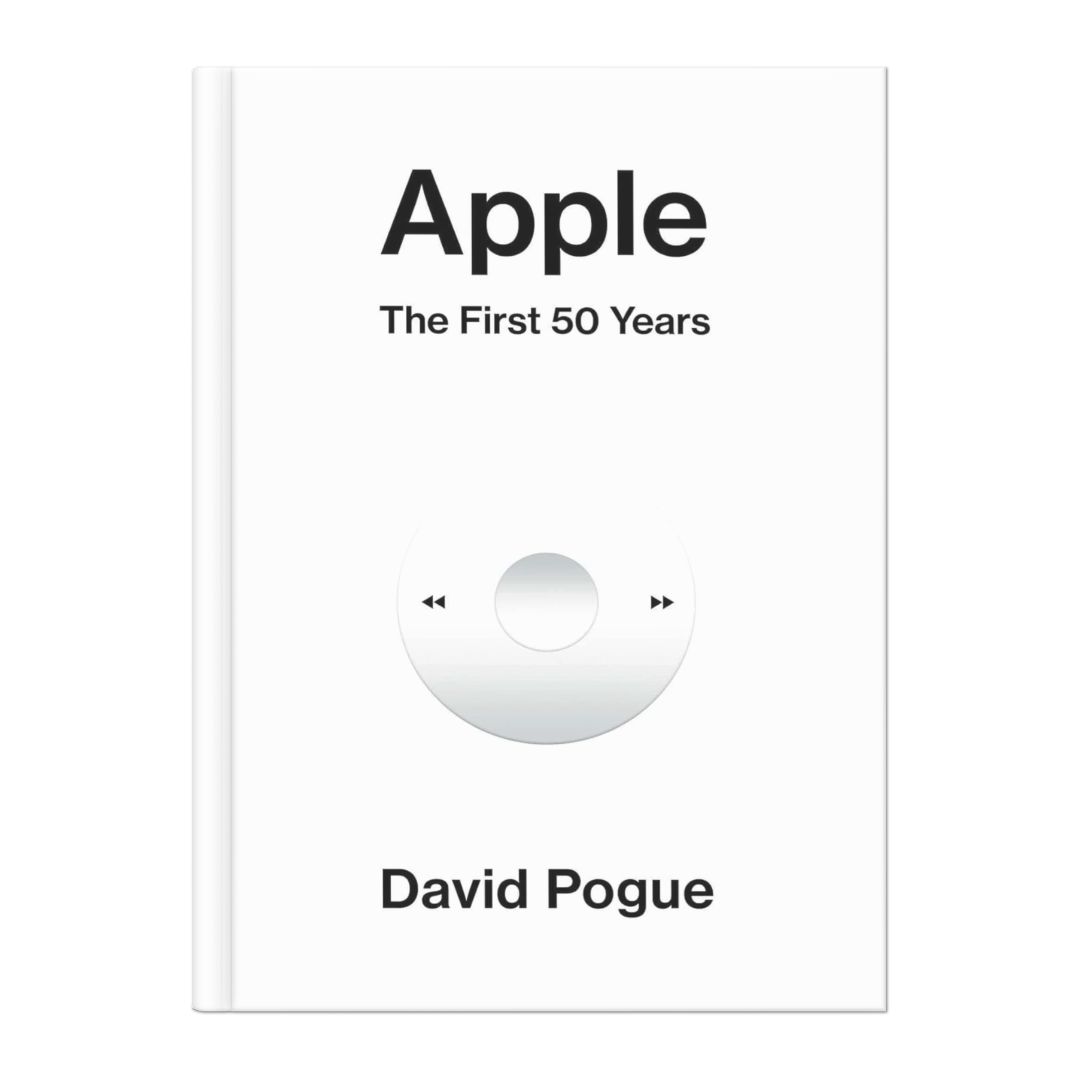
Another longtime friend of VEG, David Pogue, just released Apple: The First Fifty Years. David will be keynoting the Silicon Valley Video Summer Camp, with a look at how Apple in its DNA is a media company that happens to make tech.


2026 InfoComm
 
June 17 | Las vegas
 
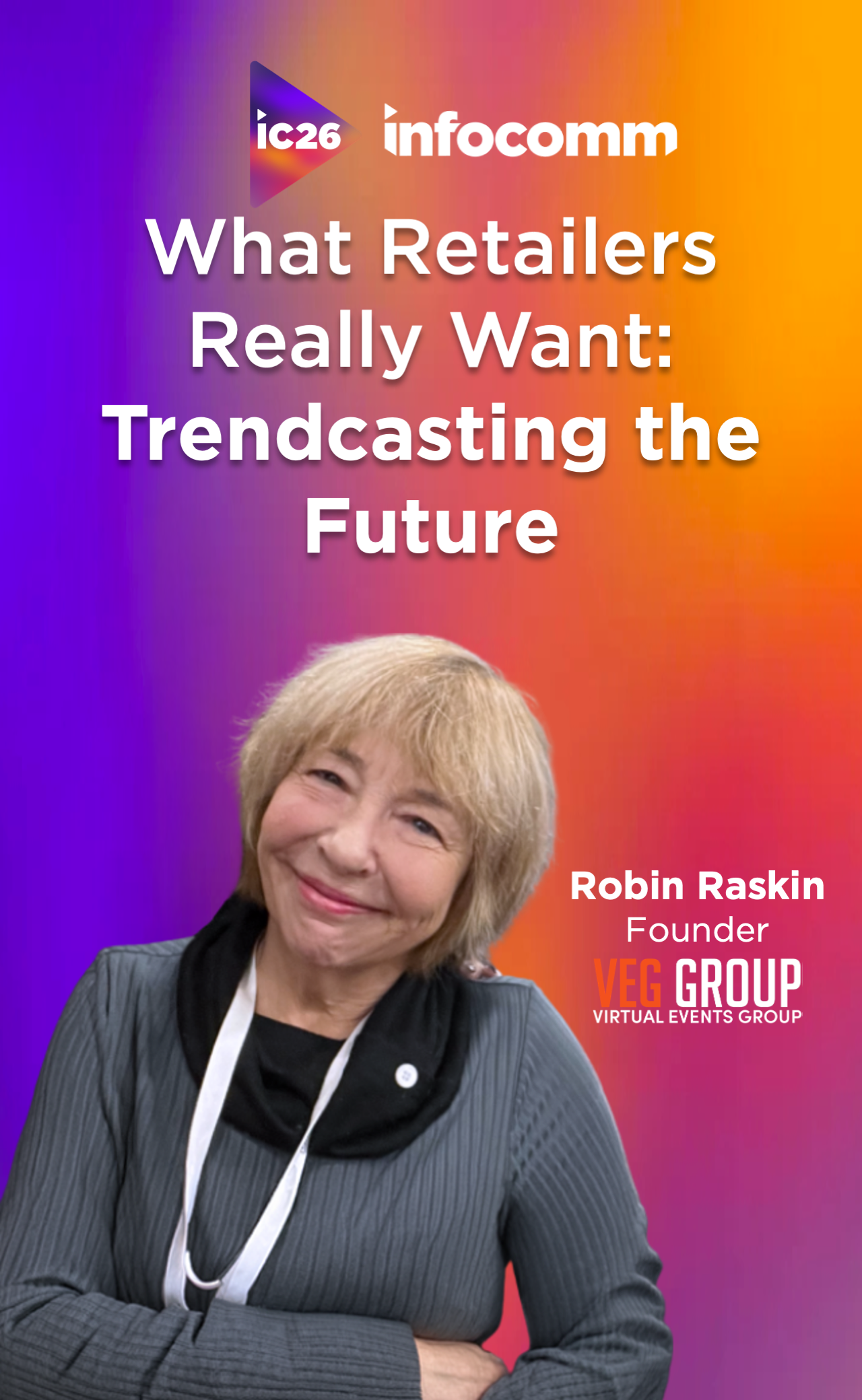
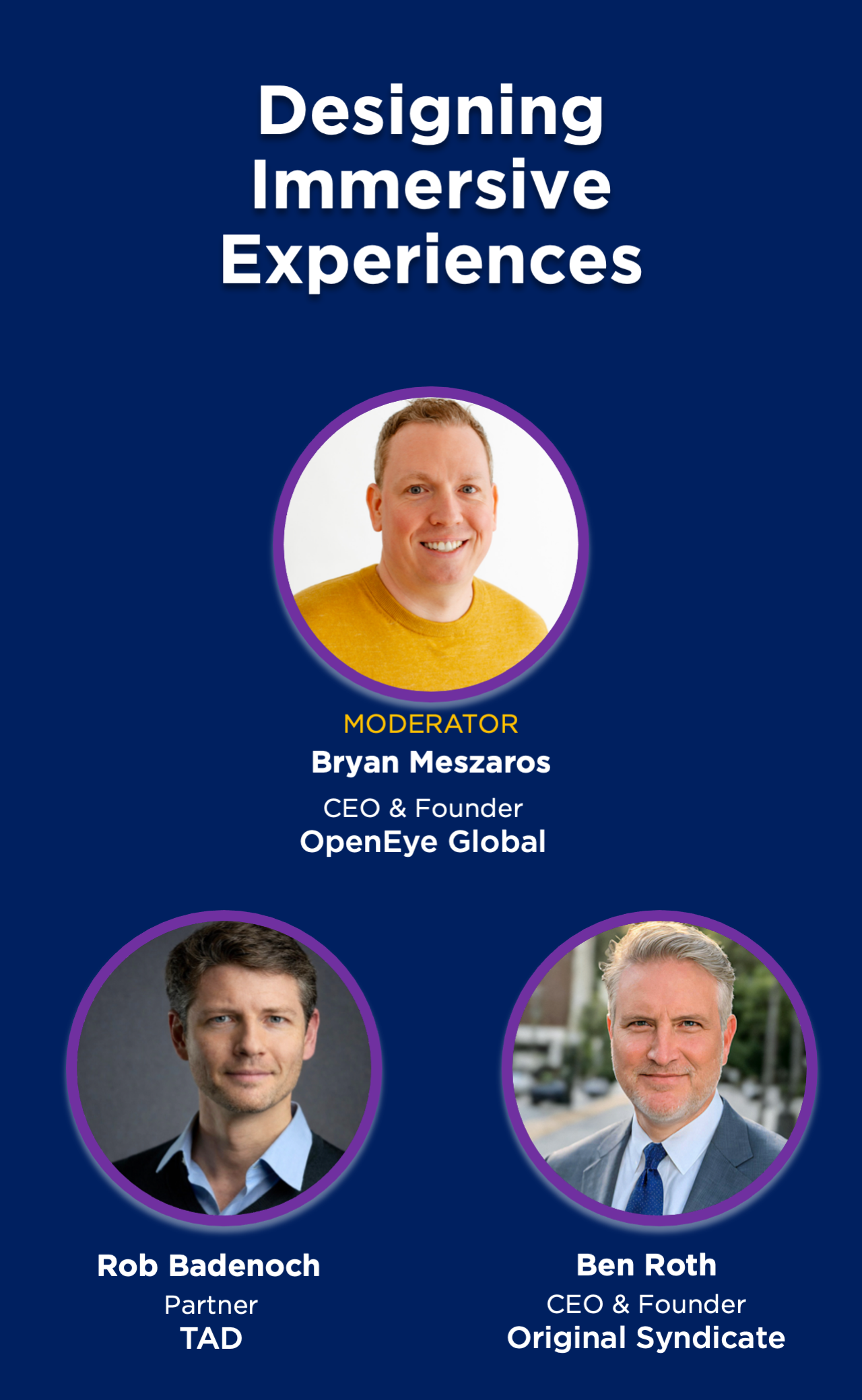
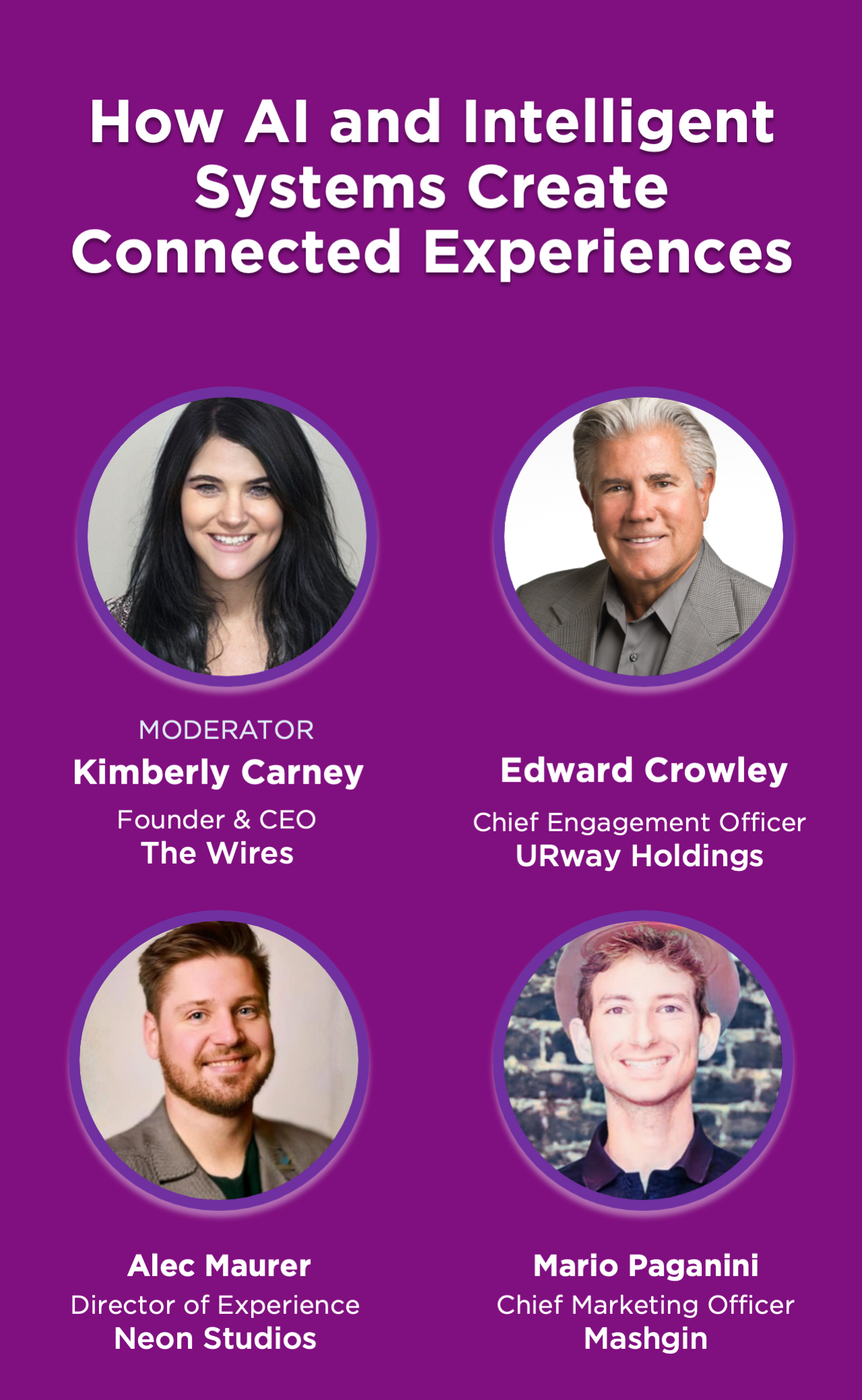
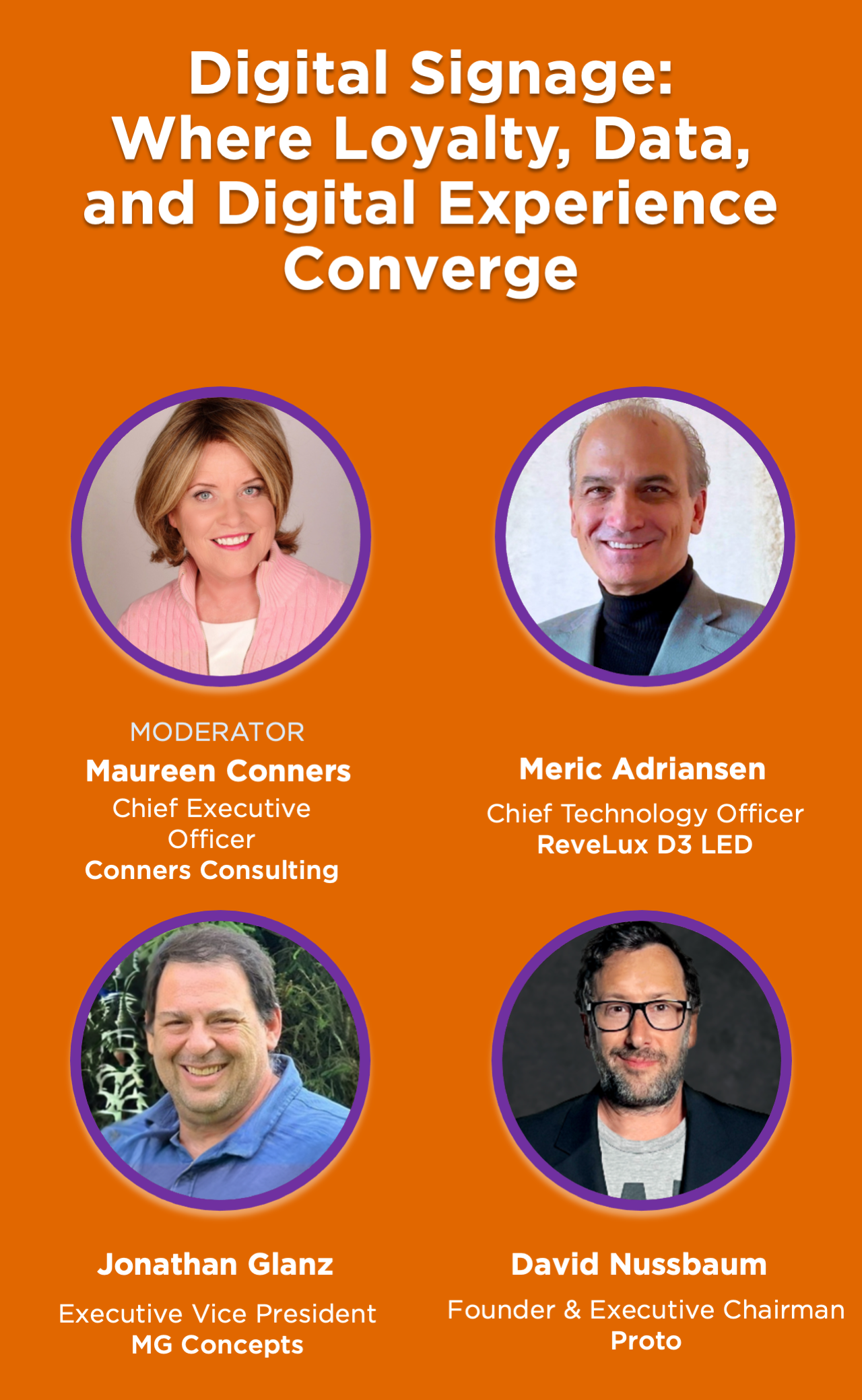
Let us know if you’ll be at InfoComm this month. We’ll be hosting on the Vision Stage.
 
 
Vision Stage Showdown
 
View Schedule


Sign up to get us in your inbox.
 
Get the
Most Recent News
 
SUBSCRIBE
 
 
LINKS
 
Home
Platforms
Tools
Productions
Events


Contact Us
 

Robin Raskin | Founder
917.215.3160 | robin@virtualeventsgroup.org

Gigi Raskin | Sales/Marketing

917.608.7542 | gigi@virtualeventsgroup.org